
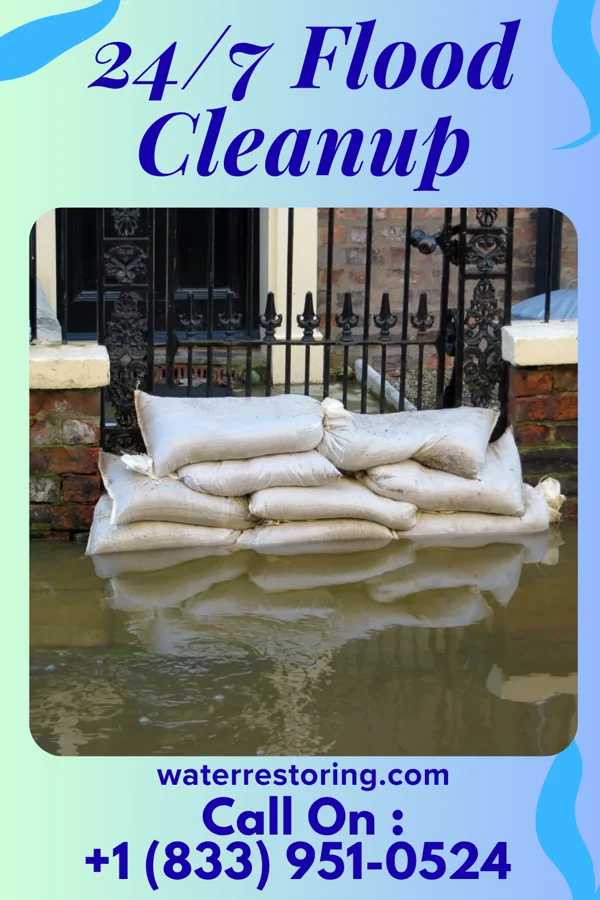
Why 24/7 Flood Cleanup Matters in Griggsville
The pattern in Griggsville is consistent. spring snowmelt and river overflow flooding drives most of the emergency restoration calls we get. A close second is severe thunderstorm rainfall overwhelming storm sewers.
Griggsville's humid continental climate brings heavy spring rains and rapid snowmelt from the nearby Shawnee National Forest, increasing flood risks. The Illinois River's seasonal rise also contributes to flooding in low-lying areas.
Griggsville's humid continental climate brings heavy spring rains and rapid snowmelt from the nearby Shawnee National Forest, increasing flood risks. The Illinois River's seasonal rise also contributes to flooding in low-lying areas. The dominant local driver is spring snowmelt and river overflow flooding, with severe thunderstorm rainfall overwhelming storm sewers showing up as the next most common cause. Damage builds in stages. Spread. Absorption. Microbial growth. Structural compromise. Every stage you pass through adds to the final bill.